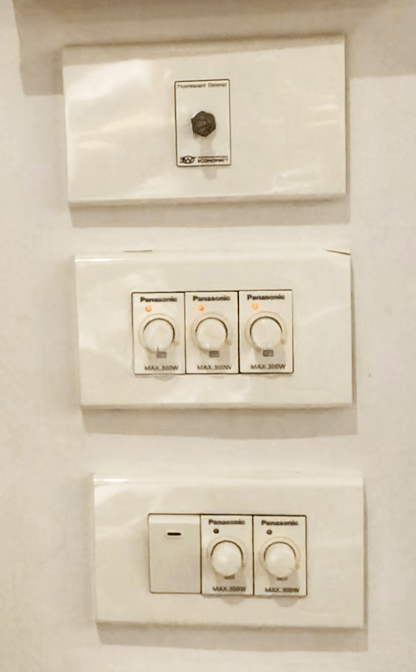
I am so confusing which switches is to turn on.
Every time I come to the classroom that was designed with full lighting. I have a trouble to know which switches belong to which one. The current design of switches is 6 potentiometers and one on-off switch. The problem starts at here. When I turn on the first switch, the light will turn on the back of the room while the second switch also in the back of the room. The designer just make an odd and even number of lighting according to two switches. Moreover, the on-off switch was designed to turn the LED panel in the center of the room. When you want to dim the light, you need another potentiometer switch to do that. This makes me headache. Why do not we make only one switch to do them all?
Natural Mapping
Then I asked students to help design and solve this kind of chaotic problem. I show some sample of the car door seat adjustable button to students. They love this design so much and want to know ‘the natural mapping’ on this concept.
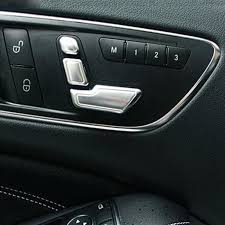
To create more effective interfaces we need to exploit what’s known as natural mapping. Norman defines it as follows:
Natural mapping, by which I mean taking advantage of physical analogies and cultural standards, leads to immediate understanding. For example, a designer can use spatial analogy: to move an object up, move the control up. To control an array of lights, arrange the controls in the same pattern as the lights. Some natural mappings are cultural or biological, as in the universal standard that a rising level represents more, a diminishing level, less. Similarly, a louder sound can mean a greater amount.
usabilitypost
Now how we design for the confusing switches in the classroom. Students starts to use the concept of mapping. There are two design here.
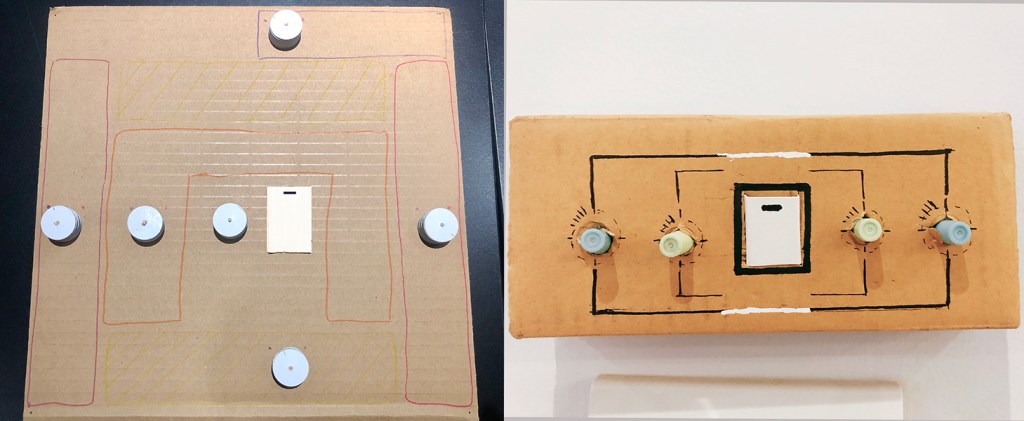
The new redesign of switches from two students is so clear and understandable. The first one on the left shows the design as a real map of lighting location. It shows the switches that used to control each position. The switch on-off is the center one is used to turn on and off the whole light. Another design on the right side is use the concept from gestalt theory on perception by grouping with the simple line that map the location of the lighting from the front and back. She also reduces the number of potentiometers out from six to three buttons.
Credited product by Mrs.Pintira Apichodpuritada and Mrs. Nattanit Buaban
 Human Sees Design